
Solar power generation for internal consumption:
A mechanism for
directly reducing electricity costs
Solar power generation for internal consumption is a mechanism in which a solar power system installed on the roof or elsewhere on the property of a corporation’s factory or business location generates electricity to be consumed internally by the corporation. As it directly reduces electricity costs, promotes carbon neutrality, and underpins business continuity planning (BCP) measures, it is being introduced by a growing number of corporations, mainly in manufacturing and logistics.
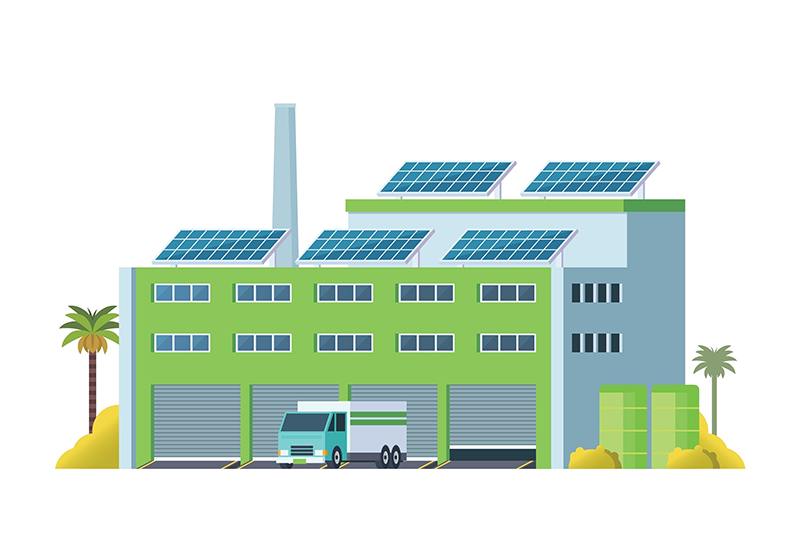
Why is internal consumption so important?
Surging electricity charges have been driving up corporate electricity costs year after year. In Japan, amid the declining profitability of selling electricity under the feed-in tariff (FIT), internal consumption operations—when a corporation generates electricity to be consumed internally—are gaining attention as a means of both reducing costs and decarbonizing.
Surging electricity charges and corporate challenges
Surging electricity charges and volatile fuel prices have increased the electricity cost burden on corporate factories and offices. Installing solar power generation for internal consumption allows corporations to reduce the amount of electricity they purchase from electric power companies and substantially reduces their electricity bills. Additionally, using renewable energy increases corporations’ environmental value and allows them to take steps to save energy and meet the decarbonization requirements of their business partners. *In Japan, the Energy Conservation Act (Act on the Rational Use of Energy) requires businesses of a certain size or larger to engage in energy management.
Background of the shift from selling electricity to internal consumption
Although it was previously the norm in Japan for corporations to sell all electricity under the feed-in tariff (FIT), profitability has been declining due to lower purchase prices. Meanwhile, electricity charges are rising, and it now makes more sense for factories that consume a lot of electricity during the day to prioritize using electricity generated in-house.
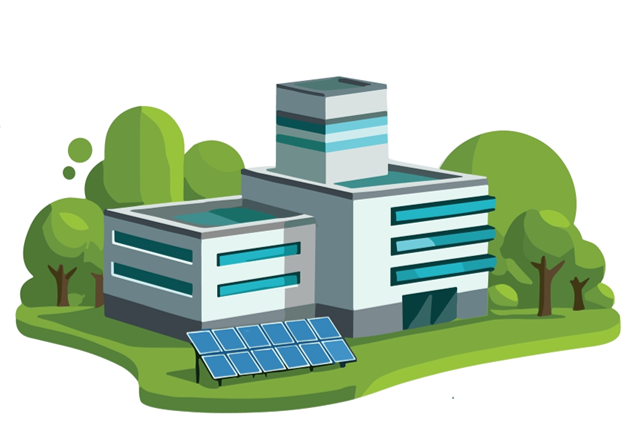
Methods of introducing solar power generation for internal consumption and its components
Introducing storage batteries and energy management systems (EMS) in addition to solar panels enables even more efficient operation.
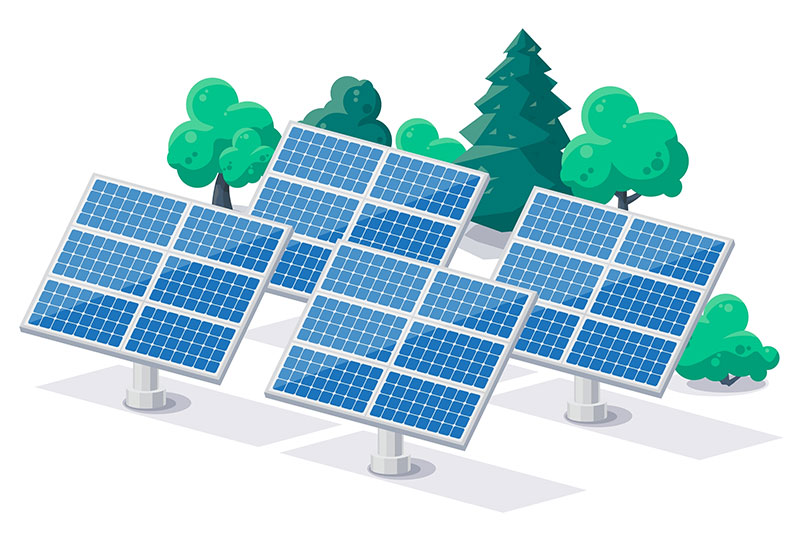
Installing solar panels
Solar panels are installed on roofs and in parking areas to generate electricity during the day. However, when the amount of electricity generated exceeds the amount consumed, reverse flow occurs, and there is a risk that electricity will flow back into the grid. To prevent this, Japan requires the installation of protective devices such as reverse power relays (RPRs) and the fulfillment of requirements for grid connection.
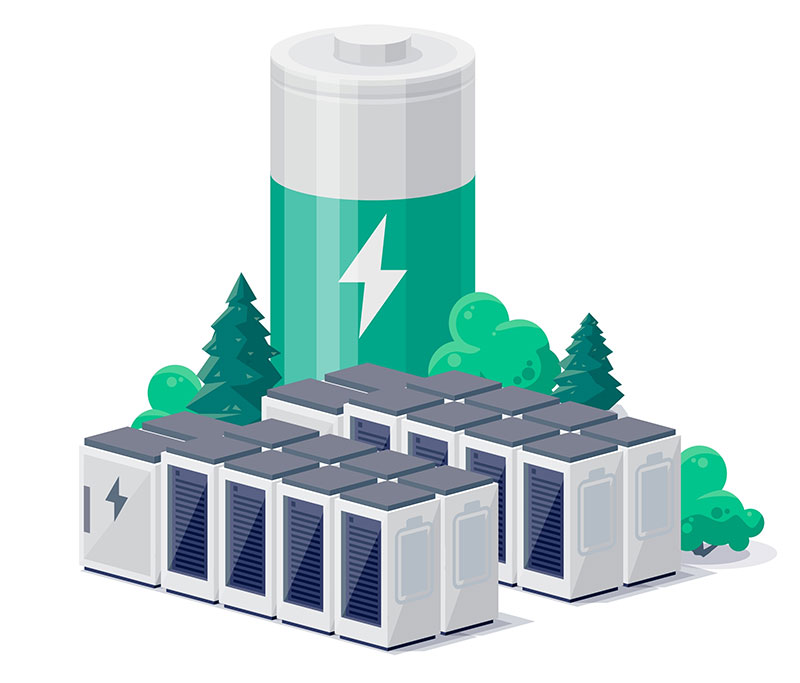
Installing storage batteries (absorbing surplus)
Surplus electricity can be used to charge storage batteries for discharge at night or during peak hours to equalize electricity and ensure an emergency power supply. Storage battery capacity is selected based on the balance between electricity generation and consumption.
Automatic control with EMS
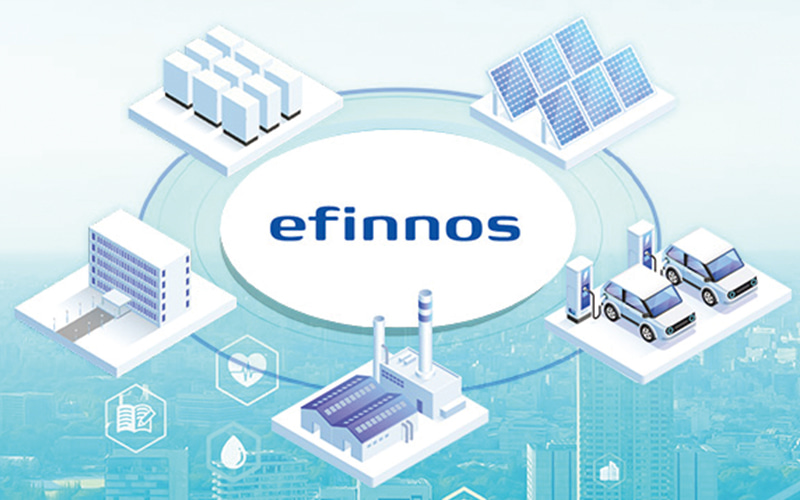
When a corporation introduces an EMS, they can monitor electricity consumption in real time and automatically control loads during peak hours. efinnos by Murata uses AI to accurately forecast supply and demand based on historical electricity consumption and weather information. It uses the forecasts to determine optimal control timing and ensure efficient operation of facilities including solar power systems and storage batteries. It also allows corporations to centrally manage electricity consumption at multiple locations in the cloud, streamlining overall energy-saving strategy and reducing workloads for administrators.
Three benefits of solar power generation for internal consumption
Solar power generation for internal consumption brings substantial benefits to corporations in terms of cost reduction, environmental action, and disaster preparedness.
(1) Reduced electricity charges
In Japan, corporations can use solar power and storage batteries together with an EMS to reduce both the electricity consumption charge and the basic charge for electricity. The electricity consumption charge is based on the amount of electricity consumed, so reducing electricity consumption will also lower the charge. Additionally, limiting electricity peaks reduces contract electricity. These efforts directly lead to revised basic charges and reduced annual costs.

(2) Promoting decarbonization management by reducing CO2 emissions
Using renewable energy can deliver ongoing reductions in CO2 emissions. This allows corporations to meet environmental reporting requirements and satisfy the decarbonization requirements of their business partners, thereby helping to improve their environmental value.
(3) Availability as emergency power supply in disasters (BCP measures)
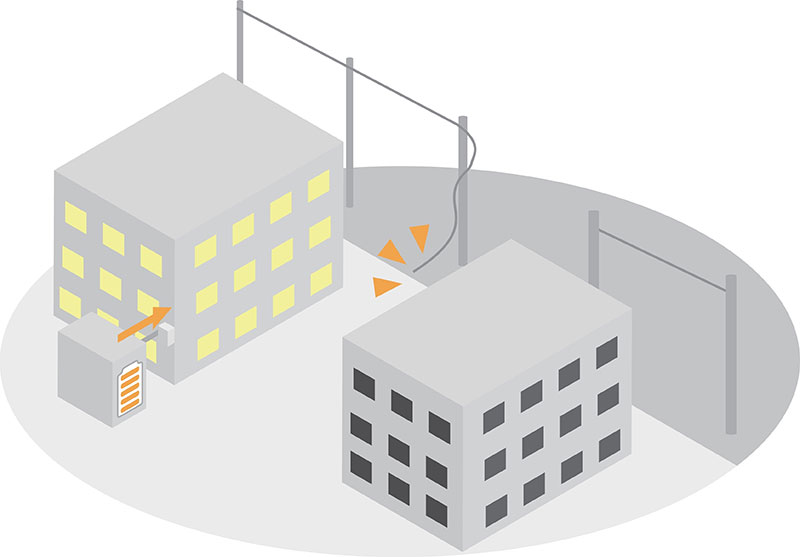
During power outages, storage batteries can maintain critical loads to ensure the functionality of production facilities, telecommunication, servers, lighting, and other equipment. Given the increasing risk of natural disasters and power outages of late, BCP measures are essential for corporations. Combining solar power and storage batteries ensures that critical facilities can operate even during power outages, ensuring business continuity. Securing an emergency power supply is especially important in the manufacturing industry; preventing substantial losses due to production line shutdowns directly reduces management risk.
Conclusion |
Maximize the benefits with efinnos
Solar power generation for internal consumption is the best way to simultaneously reduce electricity costs and realize decarbonization management in factories. The circumstances surrounding corporations are becoming increasingly challenging due to factors such as surging electricity charges and compliance with the Energy Conservation Act. Combining solar power and storage batteries with AI control allows corporations to increase their internal consumption rate of electricity while also reducing costs and environmental impact.
efinnos provides total support for electricity cost reduction, decarbonization management, and BCP measures through AI-based control of renewable energy.
Use our free simulator to see how introducing efinnos can deliver these benefits to your company.